- English
- 简体中文
- Español
- Português
- русский
- Français
- 日本語
- Deutsch
- tiếng Việt
- Italiano
- Nederlands
- ภาษาไทย
- Polski
- 한국어
- Svenska
- magyar
- Malay
- বাংলা ভাষার
- Dansk
- Suomi
- हिन्दी
- Pilipino
- Türkçe
- Gaeilge
- العربية
- Indonesia
- Norsk
- تمل
- český
- ελληνικά
- український
- Javanese
- فارسی
- தமிழ்
- తెలుగు
- नेपाली
- Burmese
- български
- ລາວ
- Latine
- Қазақша
- Euskal
- Azərbaycan
- Slovenský jazyk
- Македонски
- Lietuvos
- Eesti Keel
- Română
- Slovenski
- मराठी
- Srpski језик

How Can the Right Intermediates Category Simplify Pharmaceutical Sourcing?
Article Summary
Selecting the right Intermediates Category is more than browsing a product list. For many buyers, it shapes sourcing speed, technical communication, documentation efficiency, batch consistency, and long-term supply confidence. In this article, I explore the practical concerns that procurement teams and technical buyers usually face when screening intermediates suppliers, and I explain how a well-organized category structure helps reduce friction before serious discussions even begin. I also look at what buyers should evaluate in a supplier’s product offering, why clarity matters in early-stage communication, and how companies such as Hubei Gedian Humanwell Pharmaceutical Co., Ltd. can support more efficient purchasing decisions through a focused and dependable intermediates portfolio.
Table of Contents
- What will this article cover?
- What does Intermediates Category mean in real purchasing work?
- How do common sourcing problems begin?
- Which supplier strengths matter most to buyers?
- How should buyers evaluate an Intermediates Category?
- What can a clear category structure help buyers compare?
- How can the purchasing process become smoother?
- What are the most common buyer questions?
- How can buyers take the next step?
Outline
- How Intermediates Category affects sourcing efficiency and buyer judgment
- What challenges buyers face when supplier information is incomplete or unclear
- Which capabilities make a supplier easier to work with over time
- How to assess category clarity, product fit, service responsiveness, and supply reliability
- What questions buyers still ask before sending an inquiry
What does Intermediates Category mean in real purchasing work?
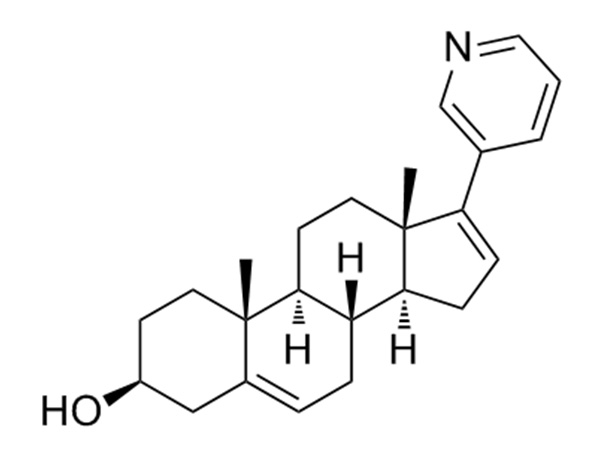
In practice, an Intermediates Category is not just a menu label on a website. It is often the buyer’s first indicator of whether a supplier understands its own product line and whether that supplier can support a structured purchasing conversation. Buyers are rarely impressed by a long list alone. What they really want is relevance, clarity, and confidence.
When I evaluate a category like this, I usually think from the buyer’s side first. Can I quickly identify whether the supplier’s offerings match my project direction? Can I understand how the products are organized? Does the page suggest real experience, or does it feel like a collection of disconnected names with little context? A strong Intermediates Category answers these questions before the inquiry even starts.
This matters even more in pharmaceutical and chemical sourcing, where early misunderstandings can waste days or weeks. Buyers often need to compare more than availability. They need to consider technical suitability, production consistency, communication accuracy, and the supplier’s readiness to support repeat demand. That is exactly why category presentation has a practical business value.
How do common sourcing problems begin?
Most sourcing problems do not begin at the contract stage. They begin much earlier, often during product discovery. A buyer visits a supplier website hoping to narrow options quickly, but instead finds minimal explanations, vague product naming, inconsistent structure, or no clear path toward inquiry. At that point, uncertainty starts growing.
Here are some of the frustrations buyers commonly face when reviewing an Intermediates Category:
- The listed products appear relevant, but their organization is too broad to support quick selection.
- The supplier seems capable, but there is not enough detail to build initial confidence.
- It is difficult to tell whether the company supports stable long-term cooperation or only occasional orders.
- Technical and commercial questions are likely to require multiple back-and-forth messages.
- The buyer cannot easily judge whether the category reflects genuine specialization.
These are not small issues. In competitive markets, the easiest supplier to understand often becomes the easiest supplier to shortlist. Even before pricing is discussed, clarity can influence who gets the inquiry and who gets ignored.
Buyers do not want more noise. They want fewer risks, faster decisions, and a supplier that feels prepared from the first interaction.
Which supplier strengths matter most to buyers?
A buyer reviewing intermediates is usually measuring more than the products themselves. The buyer is also measuring the supplier’s discipline. That discipline shows up in how products are grouped, how information is presented, how quickly questions can be answered, and how credible the business feels over time.
A company such as Hubei Gedian Humanwell Pharmaceutical Co., Ltd. benefits when its Intermediates Category is supported by consistency and professionalism rather than broad promotional language. Buyers in this field are often practical. They notice whether a supplier appears organized, technically aware, and prepared for ongoing cooperation.
| Buyer Expectation | Why It Matters | What a Strong Supplier Usually Shows |
|---|---|---|
| Clear product grouping | It shortens screening time and reduces confusion | A structured and relevant Intermediates Category that feels intentional |
| Fast technical alignment | It prevents delays during qualification and negotiation | Responsive communication and familiarity with buyer questions |
| Consistent supply thinking | It supports planning for repeat demand rather than one-off sourcing | Evidence of stable operations and serious business processes |
| Professional presentation | It increases trust before documents and samples are discussed | Focused content, readable structure, and business clarity |
| Lower communication friction | It saves time for procurement and technical teams alike | Pages that help buyers ask better questions from the start |
What buyers truly appreciate is not aggressive promotion. It is preparedness. They want to feel that the supplier knows the category, understands purchasing logic, and can support a rational decision-making process.
How should buyers evaluate an Intermediates Category?
A useful way to evaluate an Intermediates Category is to think in layers. First comes relevance. Then comes clarity. After that comes confidence. If any one of those layers is weak, the buyer slows down. If all three are strong, the inquiry becomes much more likely.
I would normally suggest that buyers review the following points:
- Does the category appear focused enough to suggest genuine specialization?
- Are the products grouped in a way that helps rather than overwhelms?
- Does the supplier look prepared for technical and commercial discussion?
- Can the buyer quickly see a path from browsing to inquiry?
- Does the presentation create confidence in long-term cooperation?
This kind of evaluation is important because intermediates sourcing often moves under deadline pressure. Teams may already be balancing qualification schedules, internal approvals, cost discussions, and supply planning. If a supplier’s category page reduces uncertainty early, it creates real value before a formal conversation even begins.
That is where a disciplined business presentation matters. A buyer does not need every detail at once. But the buyer does need enough structure to believe that the supplier can handle the next stage smoothly.
What can a clear category structure help buyers compare?
One of the biggest advantages of a well-built Intermediates Category is that it makes comparison easier. Buyers are rarely comparing just one supplier. They are usually looking across multiple websites, multiple product groups, and multiple conversation histories at the same time.
When the category structure is clear, buyers can compare key dimensions more efficiently:
| Comparison Area | What Buyers Want to See | What Poor Presentation Often Causes |
|---|---|---|
| Product relevance | A category that feels aligned with actual sourcing needs | Confusion about whether the supplier is truly suitable |
| Business seriousness | Content that reflects discipline and experience | Doubts about operational maturity |
| Communication efficiency | A smoother path toward targeted inquiry | Extra rounds of clarification before progress can happen |
| Long-term potential | Signals that support repeat purchasing confidence | Concern that the supplier may only fit short-term needs |
This is exactly why category design is not just a content exercise. It is part of commercial performance. A supplier that helps buyers compare quickly is already improving its own chances of being selected.
How can the purchasing process become smoother?

A smoother purchasing process usually starts with better early information. When the Intermediates Category is clear, relevant, and professionally structured, buyers spend less time trying to decode the supplier and more time evaluating fit.
In an efficient workflow, the sequence often looks like this:
- The buyer identifies a relevant category without second-guessing the supplier’s focus.
- The buyer gains enough confidence to move from browsing to inquiry.
- Initial questions are more targeted because the category has already done some of the sorting work.
- Commercial and technical communication begins with clearer expectations on both sides.
- The supplier relationship becomes easier to scale if the first interaction is handled well.
This is where companies like Hubei Gedian Humanwell Pharmaceutical Co., Ltd. can create a real advantage. In a field where buyers value precision and responsiveness, a strong category presentation is not decorative. It is functional. It helps serious buyers move with less hesitation.
What are the most common buyer questions?
What makes an Intermediates Category useful rather than generic?
A useful Intermediates Category helps buyers understand relevance quickly. It should make product screening easier, reduce guesswork, and create confidence that the supplier is organized and experienced.
How do buyers know whether a supplier is worth contacting?
Buyers usually look for clarity, focus, and professionalism. If the supplier presents its category in a way that supports practical decision-making, it becomes easier to justify starting a conversation.
Is a broad product range always better?
Not necessarily. Buyers often prefer a category that feels relevant and manageable over one that feels broad but unfocused. Quality of presentation can matter as much as quantity.
Why does early website structure affect purchasing decisions so much?
Because buyers are often under time pressure. If the website reduces friction early, it improves the supplier’s chances of making the shortlist before deeper commercial review begins.
What should a buyer do after finding a suitable category?
The next step is usually to send a focused inquiry that outlines the project direction, expected requirements, and cooperation goals. A good supplier can then respond more efficiently and move the conversation forward.
How can buyers take the next step?
If you are reviewing options in the Intermediates Category and want a supplier that values clarity, efficiency, and long-term cooperation, this is the right time to start a practical conversation. A strong sourcing relationship begins with responsive communication and a supplier that understands how buyers make decisions in the real world.
Hubei Gedian Humanwell Pharmaceutical Co., Ltd. is ready to support buyers who need a more reliable path from product discovery to business discussion. If you are comparing suppliers, narrowing product options, or preparing your next procurement plan, contact us today and let us help you move forward with greater confidence.