- English
- 简体中文
- Español
- Português
- русский
- Français
- 日本語
- Deutsch
- tiếng Việt
- Italiano
- Nederlands
- ภาษาไทย
- Polski
- 한국어
- Svenska
- magyar
- Malay
- বাংলা ভাষার
- Dansk
- Suomi
- हिन्दी
- Pilipino
- Türkçe
- Gaeilge
- العربية
- Indonesia
- Norsk
- تمل
- český
- ελληνικά
- український
- Javanese
- فارسی
- தமிழ்
- తెలుగు
- नेपाली
- Burmese
- български
- ລາວ
- Latine
- Қазақша
- Euskal
- Azərbaycan
- Slovenský jazyk
- Македонски
- Lietuvos
- Eesti Keel
- Română
- Slovenski
- मराठी
- Srpski језик

Why Does an APIs Category Matter So Much When Choosing a Pharmaceutical Supplier?
When buyers search for dependable pharmaceutical raw material partners, they often focus on price, lead time, and product availability first. In my experience, that approach can overlook a more important signal: how a supplier structures its APIs Category. A well-organized APIs Category is not just a product listing. It reflects manufacturing depth, quality discipline, regulatory readiness, and the supplier’s ability to support long-term procurement decisions. In this article, I will explain how to evaluate an APIs Category, what pain points it helps solve, and why working with an established manufacturer such as Hubei Gedian Humanwell Pharmaceutical Co., Ltd. can make sourcing more predictable and efficient.
Article Summary
This article explores what buyers should really look for when reviewing an APIs Category on a pharmaceutical supplier’s website. I cover common sourcing pain points, including inconsistent quality expectations, fragmented documentation, unclear product coverage, and supply continuity concerns. I also explain how a strong category structure helps buyers compare product families, assess compliance readiness, reduce procurement risk, and shorten supplier evaluation time. For companies seeking a more reliable sourcing path, understanding the value behind an APIs Category can lead to better decisions and smoother cooperation.
Table of Contents
- Outline
- What does an APIs Category really tell a buyer?
- How can an APIs Category reduce sourcing confusion?
- What should buyers compare inside an APIs Category?
- Why does broad category coverage improve purchasing confidence?
- How does supplier capability affect long-term API procurement?
- What makes a pharmaceutical partner easier to work with?
- FAQ
- Conclusion
Outline
- Why category structure matters in pharmaceutical sourcing
- How buyers can use category information to solve procurement pain points
- Key evaluation points for product, documentation, and manufacturing support
- The advantage of working with a supplier that offers organized and scalable API coverage
- Practical questions buyers should ask before sending an inquiry
What does an APIs Category really tell a buyer?
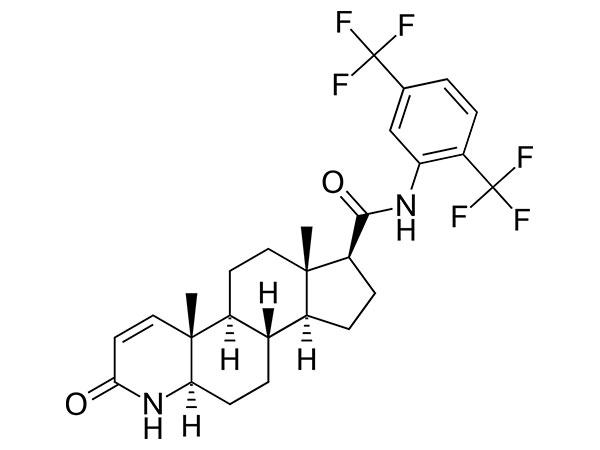
Many buyers see an APIs Category as a basic navigation page, but I think that is too narrow. In pharmaceutical sourcing, category design reveals how a company thinks about product management and customer support. A supplier that groups products clearly, presents therapeutic or chemical families logically, and makes technical information easy to understand is often better prepared for serious B2B cooperation.
That matters because procurement is rarely about buying one item one time. Most buyers need consistency across multiple stages: evaluation, sampling, compliance review, qualification, purchasing, logistics, and after-sales support. If the APIs Category is vague, incomplete, or poorly structured, the buying process becomes slower and riskier. Teams waste time confirming whether the supplier truly handles the products they claim to offer.
By contrast, an organized supplier gives buyers a faster route to confidence. This is one reason manufacturers like Hubei Gedian Humanwell Pharmaceutical Co., Ltd. attract attention. When a company can present a broad range of active pharmaceutical ingredients in a structured way, it suggests stronger internal control over manufacturing lines, regulatory files, and product development priorities.
| What buyers see | What it may indicate |
|---|---|
| Clear product families | Better product management and clearer commercialization strategy |
| Detailed specifications | Greater readiness for technical review and qualification |
| Compliance-related details | More mature support for regulated markets |
| R&D and pipeline signals | Potential for long-term cooperation and future product expansion |
How can an APIs Category reduce sourcing confusion?
One of the biggest pain points in API procurement is uncertainty. Buyers often ask the same questions again and again. Does this supplier actually manufacture the product? Is the item commercially available or only under development? Are the standards aligned with the target market? Can the supplier support documentation needs after the first quote?
A strong APIs Category reduces that confusion by giving buyers a structured first filter. Instead of emailing ten suppliers and waiting days for partial answers, procurement teams can identify likely matches much faster.
From a buyer’s perspective, these are the practical problems a useful category page should help solve:
- Difficulty understanding whether the supplier specializes in the needed therapeutic area
- Unclear difference between existing commercial products and pipeline products
- Lack of visibility into specification range or pharmacopeia coverage
- Too much time spent chasing basic technical information
- Concern that the supplier’s product range is too narrow for future purchasing plans
When those issues are addressed early, the conversation can move from “What do you sell?” to “How can we work together?” That shift is important. It saves time for both sides and creates a more serious business discussion from the start.
What should buyers compare inside an APIs Category?
Not every APIs Category deserves the same level of trust. I usually suggest that buyers review it with a checklist mindset. A category page should help you evaluate not just products, but the supplier’s operating maturity.
Here are the areas I would compare carefully:
| Evaluation point | Why it matters | What buyers should ask |
|---|---|---|
| Product family coverage | Shows whether the supplier is focused or fragmented | Can you support related APIs if our portfolio expands? |
| Specification visibility | Helps assess market compatibility | Which standards can you provide for this product? |
| Regulatory readiness | Important for documentation-heavy purchasing decisions | What filing or quality support is available for our market? |
| Pipeline and development signals | Shows long-term capability and investment | Which products are commercial now and which are under development? |
| Inquiry responsiveness | Affects procurement efficiency | How quickly can technical and commercial questions be answered? |
This evaluation approach is useful because the pharmaceutical market is not forgiving. Delays in documentation, misunderstandings around standards, or poor communication can disrupt an entire sourcing plan. The more complete and buyer-friendly the APIs Category is, the easier it becomes to make a sound shortlisting decision.
Why does broad category coverage improve purchasing confidence?
Broad coverage matters for a simple reason: procurement rarely stays static. A buyer may start with one API, but future plans can include adjacent molecules, reformulation projects, alternate standards, or regional registration needs. Working with a supplier that already has depth in its APIs Category can make scaling easier.
For example, a manufacturer with multiple product families and a visible development pipeline gives buyers more strategic flexibility. That does not automatically mean every item is the right fit, of course. But it does mean the supplier may be more capable of supporting repeat business rather than just one-off transactions.
From what I have seen, broad category coverage benefits buyers in several ways:
- It reduces the need to manage too many suppliers for related products
- It can simplify technical alignment across multiple purchase projects
- It improves the chances of building a stable long-term relationship
- It may provide better forecasting support as demand evolves
- It creates room for future cooperation beyond the initial inquiry
That is why a company like Hubei Gedian Humanwell Pharmaceutical Co., Ltd. stands out to many buyers. A supplier that presents its API portfolio in a clear and professional way sends a message that it is prepared for structured cooperation, not just occasional quoting.
How does supplier capability affect long-term API procurement?
Price is always part of the conversation, but buyers who focus only on the lowest quote often pay for it later in other ways. The real cost of API sourcing includes lead time stability, documentation support, responsiveness, change control, and the confidence that the supplier can keep serving the project as requirements evolve.
This is where category structure becomes a proxy for something bigger: capability. A supplier with a disciplined APIs Category is often better positioned to support:
- More organized product data management
- Clearer communication between commercial and technical teams
- Better planning for qualification and repeat orders
- Stronger coordination when buyers need customized support
- More transparent discussion around availability and development status
In pharmaceutical procurement, trust grows when the supplier makes complexity easier to manage. Buyers want fewer surprises, fewer unnecessary emails, and fewer gaps between quotation and execution. A capable supplier helps create that experience.
That is why I do not treat an APIs Category as a decorative website section. I treat it as an early indicator of whether the supplier will make my procurement work smoother or more difficult.
What makes a pharmaceutical partner easier to work with?
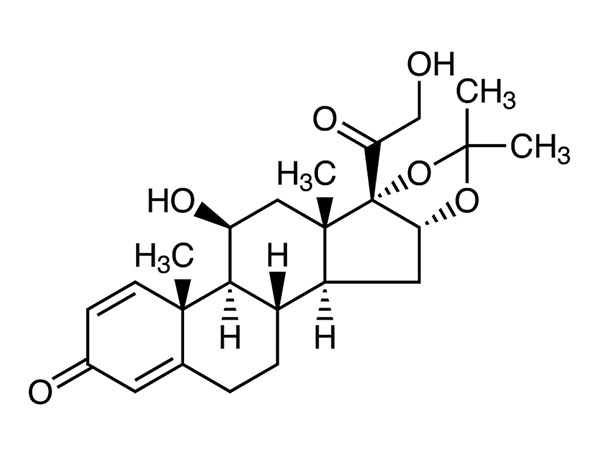
Buyers usually remember the same things after a sourcing project ends. Was communication clear? Were questions answered directly? Was the information useful? Did the supplier feel prepared? Those details shape whether a partnership continues.
If I were screening a pharmaceutical supplier today, I would prioritize the following practical qualities:
-
Clarity
Product presentation should be easy to understand, even when the portfolio is extensive. -
Relevance
The supplier should show real alignment with the buyer’s product area, not just a random list of unrelated materials. -
Responsiveness
Fast and informed replies matter, especially when qualification timelines are tight. -
Consistency
Commercial promises and technical realities should match. -
Growth potential
The supplier should be capable of supporting current demand and future expansion.
These factors are exactly why the presentation of an APIs Category matters. It creates the buyer’s first serious impression. If that impression is strong, the supplier has already removed part of the friction that usually slows down B2B purchasing.
FAQ
What is an APIs Category in pharmaceutical sourcing?
An APIs Category is a structured grouping of active pharmaceutical ingredients that helps buyers understand a supplier’s product scope, technical focus, and potential fit for procurement needs.
Why is an APIs Category important for buyers?
It helps buyers quickly evaluate product relevance, reduce sourcing confusion, and identify whether the supplier appears prepared for serious commercial and technical cooperation.
Can a strong APIs Category save procurement time?
Yes. A clear category page can reduce back-and-forth communication by making product families, specifications, and development status easier to understand from the start.
What should I check before sending an inquiry?
I would check product coverage, applicable standards, documentation readiness, visible manufacturing focus, and whether the supplier seems capable of long-term support.
Why mention Hubei Gedian Humanwell Pharmaceutical Co., Ltd. in this discussion?
Because buyers often look for suppliers that present their API portfolio in a more structured and professional way, and that kind of presentation can make supplier evaluation more efficient and more confident.
Conclusion
Choosing the right pharmaceutical supplier is rarely about a single number on a quotation sheet. It is about reducing risk, improving clarity, and finding a partner that can support both current needs and future growth. A well-built APIs Category helps buyers do exactly that. It gives structure to decision-making, reveals supplier maturity, and makes sourcing more efficient from the first click to the final order. If you are evaluating reliable API manufacturing capabilities and want a clearer path from product review to business discussion, Hubei Gedian Humanwell Pharmaceutical Co., Ltd. is worth serious attention. If you are ready to explore suitable API options, discuss your product requirements, or streamline your procurement process, contact us today and start the conversation with a team that understands what buyers actually need.