- English
- 简体中文
- Español
- Português
- русский
- Français
- 日本語
- Deutsch
- tiếng Việt
- Italiano
- Nederlands
- ภาษาไทย
- Polski
- 한국어
- Svenska
- magyar
- Malay
- বাংলা ভাষার
- Dansk
- Suomi
- हिन्दी
- Pilipino
- Türkçe
- Gaeilge
- العربية
- Indonesia
- Norsk
- تمل
- český
- ελληνικά
- український
- Javanese
- فارسی
- தமிழ்
- తెలుగు
- नेपाली
- Burmese
- български
- ລາວ
- Latine
- Қазақша
- Euskal
- Azərbaycan
- Slovenský jazyk
- Македонски
- Lietuvos
- Eesti Keel
- Română
- Slovenski
- मराठी
- Srpski језик

What Is Epiandrosterone and Why Is It Becoming Popular in Modern Hormone Research
In recent years, Epiandrosterone has gained increasing attention in biochemical research, pharmaceutical development, and hormone metabolism studies. As a naturally occurring androgen metabolite, this compound plays an important role in steroid biosynthesis and endocrine pathways. Scientists and manufacturers are exploring its potential applications in hormone research, biochemical analysis, and advanced pharmaceutical intermediates.
This comprehensive guide explores what Epiandrosterone is, how it works in the body, its biochemical structure, industrial production methods, research applications, and why it has become a valuable compound in steroid chemistry. We will also examine safety considerations, manufacturing standards, and how leading companies such as Humanwell contribute to high-quality steroid raw material supply.
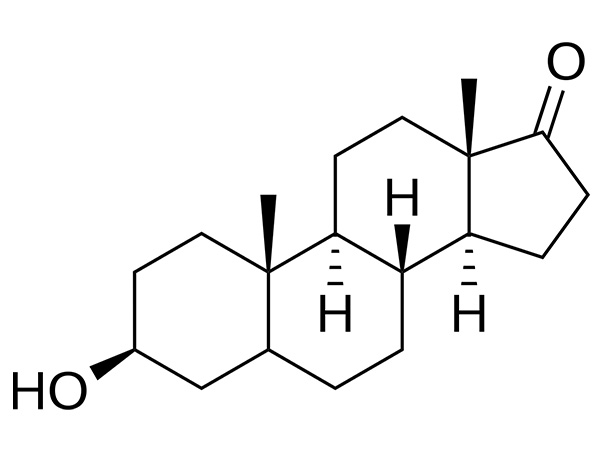
Table of Contents
- What Is Epiandrosterone?
- Why Is Epiandrosterone Important in Hormone Metabolism?
- What Is the Chemical Structure of Epiandrosterone?
- How Is Epiandrosterone Produced Industrially?
- What Are the Main Research Applications of Epiandrosterone?
- How Does Epiandrosterone Compare With Other Steroid Metabolites?
- What Should Researchers Consider When Choosing High-Quality Epiandrosterone?
- Future Trends in Steroid Research
- Frequently Asked Questions
What Is Epiandrosterone?
Epiandrosterone is a naturally occurring steroid hormone metabolite derived from androgen metabolism. It is closely related to dehydroepiandrosterone (DHEA) and androsterone and appears as an intermediate product in the biosynthesis and degradation pathways of several steroid hormones.
In biochemical research, epiandrosterone is considered an important compound for studying androgen metabolism and endocrine function. Because of its stable structure and well-documented metabolic pathways, it is frequently used as a reference compound in steroid chemistry laboratories.
Researchers often analyze epiandrosterone when studying hormone balance, metabolic transformation of androgens, and steroid biosynthetic pathways. It also serves as an important raw material for certain pharmaceutical synthesis processes.
For detailed product specifications and technical parameters, researchers often consult professional chemical suppliers such as Epiandrosterone raw material supplier.
Why Is Epiandrosterone Important in Hormone Metabolism?
Hormone metabolism is an essential biological process that regulates endocrine balance within the body. Epiandrosterone plays a unique role within this system as part of the androgen metabolic pathway.
Several biological functions make epiandrosterone particularly significant:
- Intermediate compound in androgen metabolism
- Important biomarker in steroid hormone analysis
- Research model for studying metabolic pathways
- Reference compound in analytical chemistry
- Raw material in certain pharmaceutical syntheses
Because of these properties, epiandrosterone is widely used in endocrinology research laboratories and pharmaceutical development centers. Accurate analysis of steroid metabolites helps scientists better understand hormonal balance and physiological processes.
What Is the Chemical Structure of Epiandrosterone?
Epiandrosterone belongs to the androgen family of steroid compounds and possesses a typical steroid nucleus consisting of four fused rings. This molecular structure contributes to its biological stability and interaction with metabolic enzymes.
| Property | Description |
|---|---|
| Chemical Name | 3β-hydroxy-5α-androstan-17-one |
| Molecular Formula | C19H30O2 |
| Molecular Weight | 290.44 g/mol |
| Compound Type | Androgen Metabolite |
| Appearance | White crystalline powder |
The molecular framework of epiandrosterone is similar to other steroid compounds, but subtle structural differences influence its biological behavior and metabolic conversion.
How Is Epiandrosterone Produced Industrially?
Industrial production of steroid compounds requires advanced chemical synthesis technologies, strict quality control procedures, and high-purity raw materials. Epiandrosterone can be produced through several methods depending on the intended application.
Main Production Methods
- Chemical synthesis from steroid precursors
- Biotransformation using microbial fermentation
- Semi-synthetic modification of natural steroids
Modern pharmaceutical manufacturing facilities utilize high-precision reaction systems, purification technologies, and analytical testing to ensure product consistency.
Quality Control Measures
- High-performance liquid chromatography (HPLC)
- Gas chromatography analysis
- Spectroscopic verification
- Purity testing and impurity profiling
- Batch consistency verification
Companies such as Humanwell have established strong reputations for producing pharmaceutical intermediates under strict manufacturing standards and quality assurance systems.
What Are the Main Research Applications of Epiandrosterone?
Epiandrosterone has a wide range of research applications across multiple scientific disciplines. Researchers frequently use it in hormone metabolism studies, biochemical assays, and pharmaceutical research.
1. Steroid Metabolism Research
Scientists studying androgen pathways rely on epiandrosterone as a reference compound to track metabolic transformations. This allows researchers to understand how steroid hormones are synthesized and broken down in biological systems.
2. Endocrinology Studies
Epiandrosterone is frequently measured in biological samples when investigating endocrine disorders and hormone regulation mechanisms.
3. Pharmaceutical Intermediate Development
In the pharmaceutical industry, certain steroid-based medications require intermediate compounds during synthesis. Epiandrosterone can serve as a precursor or intermediate in these processes.
4. Analytical Chemistry
Laboratories conducting steroid analysis often use epiandrosterone as a calibration standard in chromatographic systems.
How Does Epiandrosterone Compare With Other Steroid Metabolites?
Epiandrosterone belongs to a group of closely related androgen metabolites. Understanding the differences among these compounds helps researchers interpret metabolic data more accurately.
| Compound | Type | Role in Metabolism |
|---|---|---|
| Epiandrosterone | Androgen metabolite | Intermediate in steroid metabolism |
| Androsterone | Androgen metabolite | End product of testosterone metabolism |
| DHEA | Hormone precursor | Precursor for androgen and estrogen synthesis |
| Testosterone | Primary androgen hormone | Main male sex hormone |
While all of these compounds are related within steroid biosynthesis pathways, their biological roles and research applications differ significantly.
What Should Researchers Consider When Choosing High-Quality Epiandrosterone?
Selecting reliable chemical materials is essential for achieving accurate research results. Scientists and pharmaceutical manufacturers should evaluate several key factors when sourcing epiandrosterone.
Key Selection Criteria
- Purity level (usually ≥98% or higher)
- Reliable supplier reputation
- Consistent batch production
- Analytical certification
- Regulatory compliance
Working with reputable manufacturers ensures the stability, safety, and reliability of chemical materials used in scientific research.
Well-established pharmaceutical groups such as Humanwell focus on maintaining strict quality control and advanced production processes to support pharmaceutical and biochemical research worldwide.
Future Trends in Steroid Research
The field of steroid chemistry continues to evolve rapidly due to advancements in analytical technology and pharmaceutical innovation. Epiandrosterone will likely remain an important compound for several emerging research areas.
Emerging Research Directions
- Advanced endocrine pathway studies
- Improved steroid synthesis techniques
- High-precision hormone detection methods
- Pharmaceutical intermediate development
- Biotechnological steroid production
As research continues, steroid metabolites like epiandrosterone may contribute to improved understanding of hormone regulation and metabolic pathways in biological systems.
Frequently Asked Questions
1. What is epiandrosterone used for?
Epiandrosterone is primarily used in biochemical research, steroid metabolism studies, and pharmaceutical intermediate development.
2. Is epiandrosterone a naturally occurring compound?
Yes. Epiandrosterone occurs naturally as a metabolite in the androgen metabolic pathway.
3. Why is epiandrosterone important in analytical chemistry?
It serves as a reference compound in chromatographic analysis for detecting and quantifying steroid hormones.
4. How is epiandrosterone typically supplied?
It is usually supplied as a high-purity crystalline powder suitable for laboratory and pharmaceutical research applications.
5. What factors affect epiandrosterone quality?
Purity level, production technology, analytical verification, and supplier reliability all influence product quality.
Conclusion
Epiandrosterone is a valuable compound in the study of steroid metabolism, hormone regulation, and pharmaceutical synthesis. With its well-defined molecular structure and stable chemical properties, it continues to play an important role in biochemical research and industrial applications.
As scientific understanding of endocrine pathways expands, the demand for high-quality steroid intermediates will continue to grow. Reliable suppliers and advanced manufacturing technologies are essential for ensuring the consistency and purity required for research and pharmaceutical development.
If you are searching for a trusted source of high-quality steroid intermediates and research chemicals, professional manufacturers such as Humanwell can provide reliable solutions and technical support. For detailed product specifications, technical consultation, or customized services, feel free to contact us to learn more about how we can support your research and industrial needs.