- English
- 简体中文
- Español
- Português
- русский
- Français
- 日本語
- Deutsch
- tiếng Việt
- Italiano
- Nederlands
- ภาษาไทย
- Polski
- 한국어
- Svenska
- magyar
- Malay
- বাংলা ভাষার
- Dansk
- Suomi
- हिन्दी
- Pilipino
- Türkçe
- Gaeilge
- العربية
- Indonesia
- Norsk
- تمل
- český
- ελληνικά
- український
- Javanese
- فارسی
- தமிழ்
- తెలుగు
- नेपाली
- Burmese
- български
- ລາວ
- Latine
- Қазақша
- Euskal
- Azərbaycan
- Slovenský jazyk
- Македонски
- Lietuvos
- Eesti Keel
- Română
- Slovenski
- मराठी
- Srpski језик

What Is Dutasteride and How Does It Work to Treat Hair Loss and BPH
Dutasteride is a powerful 5α-reductase inhibitor widely used in the treatment of benign prostatic hyperplasia (BPH) and increasingly discussed for male pattern hair loss. This article provides a comprehensive overview of what Dutasteride is, how it works at the biochemical level, its benefits, risks, clinical applications, and how it compares with other therapies such as Finasteride.
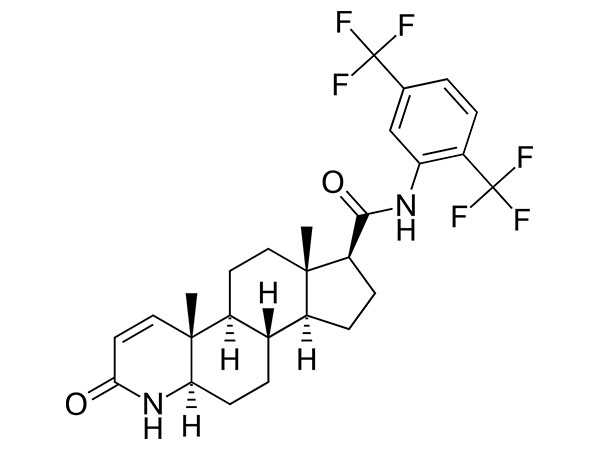
Table of Contents
- 1. What Is Dutasteride?
- 2. How Does Dutasteride Work?
- 3. Medical Uses of Dutasteride
- 4. Dutasteride for Hair Loss
- 5. Dutasteride vs Finasteride
- 6. Dosage and Administration
- 7. Potential Side Effects and Safety
- 8. Pharmaceutical Quality and Sourcing
- 9. Frequently Asked Questions
1. What Is Dutasteride?
Dutasteride is a synthetic 4-azasteroid compound classified as a dual 5α-reductase inhibitor. It was originally developed to treat benign prostatic hyperplasia (BPH), a condition characterized by prostate enlargement in aging men.
Unlike earlier treatments, Dutasteride inhibits both Type I and Type II 5α-reductase enzymes, making it significantly more potent than single-enzyme inhibitors. This mechanism directly reduces the conversion of testosterone into dihydrotestosterone (DHT), a hormone linked to prostate growth and hair follicle miniaturization.
2. How Does Dutasteride Work?
Dutasteride works by blocking the enzymatic activity responsible for producing DHT. Since DHT plays a key role in androgen-related conditions, lowering its levels provides therapeutic benefits.
Mechanism of Action
- Inhibits Type I 5α-reductase (skin, liver, scalp)
- Inhibits Type II 5α-reductase (prostate, hair follicles)
- Reduces serum DHT levels by over 90%
According to pharmaceutical research data referenced from Dutasteride API specifications, its long half-life allows sustained suppression of DHT with consistent dosing.
3. Medical Uses of Dutasteride
| Indication | Clinical Benefit |
|---|---|
| Benign Prostatic Hyperplasia (BPH) | Reduces prostate volume and urinary symptoms |
| Androgenetic Alopecia (Off-label) | Prevents hair follicle miniaturization |
| Hormonal Disorders | Used in selected endocrine therapies |
Dutasteride is approved in many countries for BPH treatment and is widely studied for additional androgen-related conditions.
4. Dutasteride for Hair Loss
Hair loss, particularly male pattern baldness, is strongly associated with DHT sensitivity in scalp follicles. Dutasteride’s ability to suppress both forms of 5α-reductase makes it especially effective.
Benefits for Hair Regrowth
- Stronger DHT suppression than Finasteride
- Long-lasting pharmacological effect
- Improved hair density in clinical studies
Many dermatologists consider Dutasteride when Finasteride fails to deliver desired results.
5. Dutasteride vs Finasteride
| Comparison Factor | Dutasteride | Finasteride |
|---|---|---|
| Enzyme Inhibition | Type I & II | Type II only |
| DHT Reduction | >90% | ~70% |
| Half-Life | ~5 weeks | ~6 hours |
This comparison highlights why Dutasteride is often considered a next-generation solution.
6. Dosage and Administration
The standard dosage for Dutasteride in BPH treatment is 0.5 mg once daily. Due to its long half-life, consistent daily use is crucial for stable DHT suppression.
- Oral capsule administration
- Long-term use recommended
- Medical supervision advised
7. Potential Side Effects and Safety
As with any hormonal therapy, Dutasteride may cause side effects in some individuals.
Reported Side Effects
- Decreased libido
- Erectile dysfunction
- Hormonal imbalance
Clinical data suggest most side effects are reversible after discontinuation.
8. Pharmaceutical Quality and Sourcing
Pharmaceutical-grade Dutasteride must meet stringent purity and stability standards. Reliable manufacturers such as Humanwell ensure compliance with GMP and international regulatory frameworks.
Choosing a verified supplier reduces risks related to impurities and dosage inconsistencies.
9. Frequently Asked Questions (FAQ)
Is Dutasteride FDA approved?
Dutasteride is FDA-approved for BPH treatment, while its use for hair loss is considered off-label.
How long does Dutasteride take to work?
Initial improvements may appear within 3–6 months, with optimal results after 12 months.
Can Dutasteride be used long term?
Yes, under medical supervision, long-term use is common for chronic conditions like BPH.
Is Dutasteride stronger than Finasteride?
Yes, due to its dual enzyme inhibition and higher DHT suppression.
If you are looking for high-quality Dutasteride API, formulation support, or bulk pharmaceutical solutions, partnering with trusted manufacturers like Humanwell can make a significant difference. For more technical details, pricing, or regulatory documentation, feel free to contact us today and explore how professional-grade Dutasteride solutions can support your business needs.