- English
- 简体中文
- Español
- Português
- русский
- Français
- 日本語
- Deutsch
- tiếng Việt
- Italiano
- Nederlands
- ภาษาไทย
- Polski
- 한국어
- Svenska
- magyar
- Malay
- বাংলা ভাষার
- Dansk
- Suomi
- हिन्दी
- Pilipino
- Türkçe
- Gaeilge
- العربية
- Indonesia
- Norsk
- تمل
- český
- ελληνικά
- український
- Javanese
- فارسی
- தமிழ்
- తెలుగు
- नेपाली
- Burmese
- български
- ລາວ
- Latine
- Қазақша
- Euskal
- Azərbaycan
- Slovenský jazyk
- Македонски
- Lietuvos
- Eesti Keel
- Română
- Slovenski
- मराठी
- Srpski језик

How Can APIs Category Selection Improve Pharmaceutical Sourcing Confidence?
Article Summary
Choosing the right APIs Category is not just a catalog task. It directly affects sourcing speed, regulatory preparation, technical communication, batch consistency, and long-term supply confidence. Many buyers struggle with scattered product information, unclear application fit, delayed document alignment, and uncertainty about how to compare suppliers across different active pharmaceutical ingredients.
This article explains the real sourcing pain points behind APIs Category decisions and shows how a clear category structure can help procurement teams, project managers, formulation specialists, and business buyers reduce avoidable risk. It also outlines what to look for in a capable supplier and how a well-organized partner such as Hubei Gedian Humanwell Pharmaceutical Co., Ltd. can support more efficient communication from inquiry to cooperation.
Table of Contents
- Outline
- What does APIs Category really help buyers solve
- Why do buyers often struggle when comparing API options
- How does a clear APIs Category structure make sourcing easier
- What should you check before choosing an API supplier
- Which sourcing factors matter most in real purchasing work
- How can teams turn category browsing into better decisions
- FAQ
- Conclusion and next step
Outline
- The practical role of APIs Category in pharmaceutical procurement
- Common sourcing difficulties that slow down decision-making
- Why categorized product presentation improves clarity and trust
- How to assess documentation, consistency, communication, and supply capability
- A simple framework for making more confident API purchasing decisions
What does APIs Category really help buyers solve
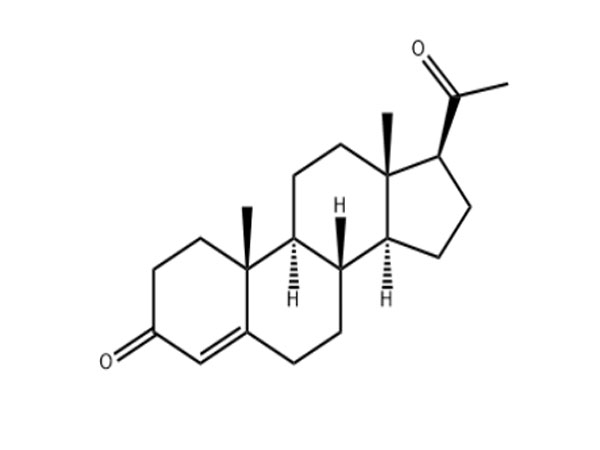
When buyers search for active pharmaceutical ingredients, they are rarely looking for names alone. They are usually trying to solve a much bigger problem: finding a reliable way to match a product with quality expectations, regulatory needs, development timelines, and commercial goals. That is where a well-built APIs Category becomes valuable.
A strong category page does more than display products. It helps users understand product families, compare related compounds, identify the direction of a supplier’s expertise, and shorten the path from first visit to serious inquiry. Instead of forcing a buyer to jump between disconnected pages, a clear category structure gives context. It tells the visitor what kind of products the supplier focuses on, how broad the portfolio may be, and whether the supplier looks organized enough to support a professional project.
In real purchasing work, this matters because time is usually tight. Teams may be screening multiple suppliers at once. Internal stakeholders may need fast answers on technical fit, document readiness, or scale-up potential. If a supplier’s APIs Category presentation is confusing, incomplete, or vague, trust drops quickly. Even a strong manufacturer can lose opportunities simply because the initial product presentation creates unnecessary friction.
Why do buyers often struggle when comparing API options
Buyers in the pharmaceutical field face a different kind of pressure from ordinary industrial procurement. They are not only comparing price. They are balancing technical suitability, audit expectations, delivery coordination, market demands, and future stability. That is why browsing an APIs Category page can feel frustrating when the structure is too shallow or too sales-heavy.
Common pain points usually include the following:
- Too little context — the product is listed, but the page does not help the buyer understand the surrounding category or related molecules.
- Weak comparability — different items are presented in inconsistent ways, making it harder to review options efficiently.
- Unclear communication path — the visitor sees product names but does not feel guided toward the next step.
- Uncertainty about capability — the supplier may have products online, but the breadth and depth of the portfolio are not easy to interpret.
- Longer internal discussion cycles — without a clean category structure, procurement, R&D, and management teams need extra time to validate basic information.
In other words, a poor category experience creates extra work on the buyer side. And in a market where confidence, responsiveness, and consistency matter, extra work often pushes decision-makers toward suppliers that appear easier to evaluate.
How does a clear APIs Category structure make sourcing easier
A useful APIs Category layout reduces mental load. It helps visitors move from interest to assessment in a more natural way. Instead of searching blindly, buyers can immediately see how the portfolio is organized and whether the supplier’s strengths align with their project.
This structure becomes especially helpful when a supplier serves multiple therapeutic or technical directions. A category page can communicate order, focus, and maturity without needing exaggerated claims. That matters because serious buyers tend to trust clarity more than noise.
| Buyer Need | How a Strong APIs Category Helps | Why It Matters |
|---|---|---|
| Quick product screening | Groups related APIs in a logical and readable way | Reduces time spent searching across scattered pages |
| Confidence in supplier focus | Shows a coherent product portfolio rather than isolated listings | Helps buyers judge whether the supplier has real specialization |
| Internal team communication | Makes it easier to share a category page with procurement, R&D, and management | Speeds up internal approval and shortlisting |
| Better inquiry quality | Guides the buyer toward a more informed and specific request | Improves communication efficiency on both sides |
| Long-term cooperation evaluation | Signals whether the supplier can support more than one immediate need | Creates room for future sourcing expansion |
A well-prepared supplier page also helps reduce the awkward gap between online discovery and business conversation. When category organization is done well, the first inquiry is often more precise. That means fewer rounds of basic clarification and a smoother start to serious cooperation.
What should you check before choosing an API supplier
A polished category page is helpful, but buyers should still look deeper. The best sourcing decisions come from combining category-level clarity with supplier-level judgment. When reviewing a supplier behind an APIs Category page, it is wise to look at the full picture rather than focusing on a single attractive point.
Here are the areas worth checking:
- Portfolio logic — Does the product range feel structured and intentional, or random and disconnected?
- Communication quality — Is the supplier easy to contact, and do they appear prepared for professional discussion?
- Information consistency — Are product descriptions, naming conventions, and category presentation coherent?
- Project fit — Does the supplier look suitable for your current stage, whether that is evaluation, development, or larger-volume procurement?
- Long-term reliability — Can this supplier support repeat cooperation rather than only a one-time quotation?
This is one reason buyers often prefer suppliers that present themselves with discipline. For example, when a company such as Hubei Gedian Humanwell Pharmaceutical Co., Ltd. appears in connection with a defined APIs Category offering, it gives visitors a stronger starting point for assessment. The clearer the structure, the easier it becomes to understand what kind of discussion should happen next.
What makes a category page feel trustworthy
- Clear organization rather than overloaded wording
- Readable product grouping that supports comparison
- Professional tone that respects technical buyers
- Easy transition from browsing to inquiry
- Signals of long-term operational seriousness
Which sourcing factors matter most in real purchasing work
Buyers often begin with product names, but final decisions usually depend on a broader mix of factors. This is why the value of an APIs Category page should be judged by how well it supports decision-making, not just how many items it lists.
| Factor | What Buyers Usually Ask | What a Good Category Experience Should Support |
|---|---|---|
| Relevance | Is this API clearly within the supplier’s strength area? | A portfolio structure that shows focus and direction |
| Efficiency | Can we identify suitable options quickly? | Simple navigation, readable grouping, and clear product visibility |
| Confidence | Does this supplier feel organized and dependable? | Consistent presentation and professional communication cues |
| Scalability | Can this relationship support future purchasing needs? | A category structure that suggests portfolio depth |
| Decision support | Can I share this page internally with confidence? | Clear wording, practical layout, and informative structure |
In practice, this means the best category content is not the loudest. It is the content that makes a buyer’s next step easier. That may sound simple, but it is exactly what many supplier pages fail to do. Good sourcing support is usually quiet, orderly, and useful. It respects the fact that buyers are trying to reduce uncertainty, not increase it.
How can teams turn category browsing into better decisions

The smartest way to use an APIs Category page is to treat it as the beginning of evaluation, not the end of it. A category page should help your team ask better questions, compare suppliers faster, and avoid weak-fit inquiries that waste time.
A practical approach often looks like this:
- Start with the category structure to judge whether the supplier’s portfolio matches your project direction.
- Review how clearly the products are presented and whether the supplier seems prepared for technical communication.
- Share the page internally with the people involved in procurement, development, or partner assessment.
- Use the category page to narrow down the inquiry scope instead of sending overly broad requests.
- Prioritize suppliers whose presentation suggests discipline, consistency, and responsiveness.
This approach helps teams move from browsing to action with less confusion. It also reduces the chance of choosing a supplier based only on surface-level impressions. In pharmaceutical sourcing, clarity is rarely a small advantage. It often becomes the difference between a smooth project start and a long cycle of avoidable back-and-forth.
So when you evaluate a supplier page, do not ask only whether the product is listed. Ask whether the APIs Category presentation helps your team think clearly, compare efficiently, and proceed with confidence. That is the real value.
FAQ
Q1: What is the main benefit of a well-organized APIs Category page?
The main benefit is decision clarity. A well-organized APIs Category page helps buyers screen products faster, understand supplier focus more easily, and move toward meaningful inquiry with less wasted time.
Q2: Why do buyers care about category structure instead of only product names?
Product names alone do not show the full picture. Category structure helps buyers judge portfolio logic, supplier specialization, and whether the company looks capable of supporting a broader and more stable partnership.
Q3: How can APIs Category content reduce sourcing risk?
It reduces sourcing risk by making comparison easier, improving internal communication, and helping buyers avoid vague or low-fit inquiries. Better structure leads to better questions, and better questions usually lead to better supplier choices.
Q4: What should buyers look for first on an APIs Category page?
Buyers should first look for logical grouping, clear wording, and signs that the supplier understands professional purchasing needs. A clean and coherent presentation often signals stronger operational discipline.
Q5: Is a broad APIs Category always better than a focused one?
Not necessarily. A broad APIs Category can be useful, but only if it remains clear and organized. A focused category can be equally strong if it demonstrates depth, consistency, and a clear fit for the buyer’s project.
Conclusion and Next Step
The right APIs Category experience should do more than present products. It should help buyers reduce confusion, shorten evaluation time, and feel more secure about the next conversation. When category structure is handled well, sourcing becomes less reactive and more strategic.
If your team is looking for a more reliable way to review API options and connect with a supplier that values organized product presentation and professional communication, Hubei Gedian Humanwell Pharmaceutical Co., Ltd. is worth exploring further.
Ready to move from browsing to a more confident sourcing discussion? Explore the APIs Category offering in more detail and contact us to discuss your product interests, project direction, and procurement needs. A clear conversation can start with the right category, but the right partner makes it go much further.