
Estradiol Valerate is an important estrogen-related pharmaceutical ingredient with established applications in hormone therapy and other regulated pharmaceutical formulations. Humanwell provides Estradiol Valerate with a focus on pharmaceutical quality, specification control, and regulatory documentation, making the ingredient relevant to manufacturers and pharmaceutical professionals evaluating reliable API sources.
Estradiol Valerate is the valerate ester of estradiol, a synthetic estrogen designed to provide a longer-acting form of estrogen when administered in appropriate pharmaceutical formulations. Its chemical identity, quality specifications, regulatory documentation, and formulation characteristics are important considerations for pharmaceutical development. According to the Humanwell product information, Estradiol Valerate has CAS No. 979-32-8, molecular formula C23H32O3, and a molecular weight of approximately 356.51. The product page also states that it has a CP specification and an approved DMF.
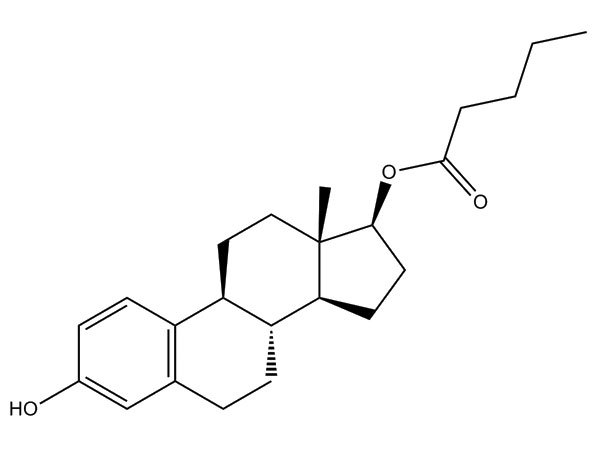
Table of Contents
- What Is Estradiol Valerate?
- What Is the Chemical Profile of Estradiol Valerate?
- How Does Estradiol Valerate Work in the Body?
- What Are the Pharmaceutical Applications?
- Why Do Quality and Manufacturing Standards Matter?
- What Factors Should Pharmaceutical Buyers Evaluate?
- Frequently Asked Questions About Estradiol Valerate
- Conclusion
What Is Estradiol Valerate?
Estradiol Valerate is an esterified derivative of estradiol. In pharmaceutical science, esterification can modify the physicochemical and pharmacokinetic characteristics of a parent compound. Estradiol itself is the principal intracellular human estrogen and interacts with estrogen receptors in estrogen-responsive tissues.
Estradiol Valerate is chemically identified as estradiol-17-valerate and is also described as a 17-pentanoate ester of estradiol. The Humanwell product specification identifies CAS No. 979-32-8 and lists Estradiol-17-valerate among its synonyms.
Commercial pharmaceutical materials must be evaluated according to applicable pharmacopeial, quality, manufacturing, and regulatory requirements rather than simply by chemical identity. For this reason, documentation and quality-system capabilities are important when assessing an Estradiol Valerate API.
What Is the Chemical Profile of Estradiol Valerate?
Understanding the chemical profile is essential for pharmaceutical research, analytical testing, formulation development, and quality control. The available Humanwell specification provides the following key information:
| Property | Estradiol Valerate Information |
|---|---|
| Product Name | Estradiol Valerate |
| CAS Number | 979-32-8 |
| Molecular Formula | C23H32O3 |
| Molecular Weight | 356.51 |
| Common Synonym | Estradiol-17-valerate |
| Product Category | Pharmaceutical API |
| Humanwell Specification Information | CP specification; DMF approved |
| Available Formulation Information | Tablet listed by Humanwell |
The official U.S. drug labeling for estradiol valerate injection identifies the same molecular formula, C23H32O3, with a molecular weight of 356.50. The label describes estradiol valerate as a long-acting estrogen in sterile oil solutions for intramuscular use in specific approved pharmaceutical products.
How Does Estradiol Valerate Work in the Body?
Estradiol is a biologically active estrogen that acts primarily through estrogen receptors. These receptors are present in different proportions across estrogen-responsive tissues. Estrogen signaling also influences pituitary secretion of gonadotropins, including luteinizing hormone and follicle-stimulating hormone.
Estradiol Valerate functions as an esterified form of estradiol. After administration, the ester group participates in the compound's pharmacological behavior and metabolism, ultimately contributing to the availability of estradiol-related activity.
The pharmacological effects of estrogen are complex and depend on the formulation, route of administration, patient characteristics, and clinical indication. Therefore, pharmaceutical information about Estradiol Valerate should not be interpreted as individualized medical treatment guidance.
What Are the Pharmaceutical Applications?
Estradiol Valerate has been used in regulated pharmaceutical products for estrogen-related indications. The current U.S. labeling for estradiol valerate injection lists indications including moderate to severe menopausal vasomotor symptoms, symptoms associated with vulvar and vaginal atrophy, hypoestrogenism resulting from certain medical conditions, and palliative treatment of advanced androgen-dependent prostate carcinoma.
Estradiol Valerate is also used as an estrogen component in certain oral pharmaceutical products. For example, U.S. labeling for Natazia identifies estradiol valerate as the estrogen component in combination with dienogest.
From a pharmaceutical development perspective, applications can be broadly considered in several areas:
- Development of estrogen-containing pharmaceutical formulations.
- Hormone-related pharmaceutical research and development.
- Manufacturing of approved dosage forms under applicable regulatory controls.
- Analytical research involving steroid hormone APIs.
- Development and quality evaluation of estrogen-based formulations.
Actual use must always follow the approved product labeling, applicable regulations, and qualified medical or pharmaceutical guidance.
Why Do Quality and Manufacturing Standards Matter?
For pharmaceutical APIs, chemical identity alone is not enough to demonstrate suitability. Consistent manufacturing controls, analytical testing, documentation, traceability, and regulatory support all contribute to API quality.
Humanwell's Estradiol Valerate product page states that the material has a CP specification and that its DMF has been approved. These details are particularly relevant for pharmaceutical companies assessing regulatory documentation and supplier qualification.
A robust quality evaluation may consider:
- Identity testing: confirming that the material corresponds to the specified chemical substance.
- Assay and purity: evaluating the API against established specifications.
- Impurity control: monitoring process-related and degradation-related impurities.
- Documentation: reviewing specifications, certificates, analytical methods, and regulatory files.
- Manufacturing consistency: assessing whether production processes can reliably meet defined quality requirements.
- Regulatory compatibility: confirming that documentation supports the intended pharmaceutical market and application.
These factors are especially important when an API is intended for commercial pharmaceutical manufacturing rather than laboratory research alone.
What Factors Should Pharmaceutical Buyers Evaluate?
When evaluating an Estradiol Valerate manufacturer or China API supplier, purchasing teams should look beyond price and nominal assay. A technically capable supplier should be able to provide appropriate quality and regulatory information for qualification.
- Pharmacopeial compliance: Determine whether the supplied material is manufactured according to the relevant pharmacopeial specification.
- Regulatory documentation: Review available DMF and supporting documentation where applicable.
- Analytical capability: Confirm that appropriate analytical methods and quality controls are available.
- Batch consistency: Examine quality history and consistency across production batches.
- Manufacturing capability: Assess production facilities, quality systems, process controls, and supply continuity.
- Technical communication: Ensure that the supplier can support documentation reviews and technical qualification requirements.
Humanwell identifies Estradiol Valerate within its API portfolio and provides product information covering its CAS number, molecular formula, molecular weight, specification status, and regulatory documentation.
Frequently Asked Questions About Estradiol Valerate
1. What is the CAS number of Estradiol Valerate?
The CAS number listed for Estradiol Valerate by Humanwell is 979-32-8. This identifier is commonly used to distinguish the chemical substance in technical, regulatory, and commercial documentation.
2. What is the molecular formula of Estradiol Valerate?
Estradiol Valerate has the molecular formula C23H32O3. Humanwell lists its molecular weight as approximately 356.51, while the current U.S. injection label reports 356.50.
3. Is Estradiol Valerate the same as estradiol?
No. Estradiol Valerate is an esterified derivative of estradiol. The valerate group changes the chemical form and influences its pharmaceutical and pharmacokinetic characteristics. It should therefore be distinguished from unesterified estradiol when reviewing specifications or formulations.
4. What pharmaceutical forms contain Estradiol Valerate?
Estradiol Valerate can be found in different regulated pharmaceutical formulations depending on the market and product. Humanwell lists tablet availability for its API, while U.S. labeling also describes estradiol valerate injection products and combination oral products containing estradiol valerate.
5. What should be checked when selecting an Estradiol Valerate supplier?
Important considerations include applicable pharmacopeial specifications, analytical quality, impurity control, manufacturing consistency, regulatory documentation, DMF status where relevant, and the supplier's ability to support pharmaceutical qualification requirements.
6. Can Estradiol Valerate be used without professional medical supervision?
Estradiol-containing medicines are prescription or otherwise regulated pharmaceutical products in many markets. Their use involves clinically important risks and contraindications. Patients should rely on qualified healthcare professionals and approved product labeling rather than online dosage recommendations.
Conclusion
Estradiol Valerate remains an important estrogen-related pharmaceutical ingredient because its esterified structure provides distinct pharmaceutical characteristics while supporting a range of regulated formulation applications. For pharmaceutical manufacturers, the most important considerations extend beyond chemical identity to include pharmacopeial specifications, analytical quality, regulatory documentation, manufacturing consistency, and supply reliability. Humanwell's published information identifies Estradiol Valerate as CAS 979-32-8, with a CP specification and approved DMF, providing key reference points for professional API evaluation.
For pharmaceutical companies evaluating Estradiol Valerate for qualified development or manufacturing purposes, reliable technical documentation and supplier communication are essential. To learn more about available specifications, regulatory documentation, and professional API support from Humanwell, contact us for further technical and commercial information.