- English
- 简体中文
- Español
- Português
- русский
- Français
- 日本語
- Deutsch
- tiếng Việt
- Italiano
- Nederlands
- ภาษาไทย
- Polski
- 한국어
- Svenska
- magyar
- Malay
- বাংলা ভাষার
- Dansk
- Suomi
- हिन्दी
- Pilipino
- Türkçe
- Gaeilge
- العربية
- Indonesia
- Norsk
- تمل
- český
- ελληνικά
- український
- Javanese
- فارسی
- தமிழ்
- తెలుగు
- नेपाली
- Burmese
- български
- ລາວ
- Latine
- Қазақша
- Euskal
- Azərbaycan
- Slovenský jazyk
- Македонски
- Lietuvos
- Eesti Keel
- Română
- Slovenski
- मराठी
- Srpski језик

Is Dutasteride the Most Effective Solution for Hair Loss and Benign Prostatic Hyperplasia
As a trusted pharmaceutical manufacturer, Humanwell has continuously focused on providing high-quality active pharmaceutical ingredients and healthcare solutions. Among these, Dutasteride has gained significant attention worldwide due to its proven effectiveness in treating benign prostatic hyperplasia (BPH) and its growing application in hair loss management. As more healthcare professionals and consumers seek reliable solutions, understanding how Dutasteride works, its benefits, safety profile, and potential applications becomes increasingly important.
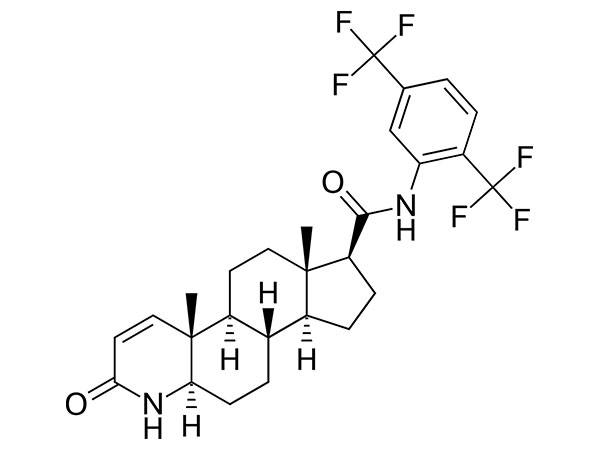
Table of Contents
- What Is Dutasteride?
- How Does Dutasteride Work?
- Applications of Dutasteride
- Key Benefits of Dutasteride
- Dutasteride vs Other Treatments
- Recommended Dosage and Usage
- Potential Side Effects
- Manufacturing Quality and Standards
- Future Potential of Dutasteride
- Frequently Asked Questions
- Conclusion
What Is Dutasteride?
Dutasteride is a pharmaceutical compound classified as a dual inhibitor of Type I and Type II 5-alpha reductase enzymes. These enzymes are responsible for converting testosterone into dihydrotestosterone (DHT), a hormone associated with prostate enlargement and hair follicle miniaturization.
By reducing DHT levels throughout the body, Dutasteride helps manage symptoms of benign prostatic hyperplasia while also supporting hair regrowth in individuals experiencing androgenetic alopecia.
How Does Dutasteride Work?
The primary mechanism of Dutasteride revolves around DHT suppression. Unlike some alternatives that inhibit only one type of 5-alpha reductase enzyme, Dutasteride blocks both major enzyme variants.
This comprehensive inhibition significantly reduces circulating DHT levels, often by more than 90%, creating therapeutic benefits for multiple conditions.
Mechanism Overview
- Testosterone is naturally produced in the body.
- 5-alpha reductase converts testosterone into DHT.
- Elevated DHT contributes to prostate growth and hair follicle shrinkage.
- Dutasteride inhibits enzyme activity.
- DHT production decreases significantly.
- Symptoms improve over time.
Applications of Dutasteride
Dutasteride has become an important pharmaceutical ingredient in several therapeutic areas.
| Application | Purpose | Expected Benefit |
|---|---|---|
| Benign Prostatic Hyperplasia (BPH) | Reduce prostate enlargement | Improved urinary flow and symptom relief |
| Male Pattern Hair Loss | Lower scalp DHT levels | Hair preservation and regrowth support |
| Combination Therapy | Used with alpha blockers | Enhanced BPH treatment outcomes |
| Research Applications | Hormonal studies | Understanding androgen-related conditions |
Key Benefits of Dutasteride
Several advantages make Dutasteride a preferred option in many clinical settings.
1. Superior DHT Suppression
Dutasteride inhibits both Type I and Type II 5-alpha reductase enzymes, resulting in greater DHT reduction compared to single-enzyme inhibitors.
2. Long Half-Life
Its extended half-life allows stable therapeutic levels, contributing to sustained effectiveness.
3. Proven BPH Management
Clinical evidence consistently demonstrates reductions in prostate volume and improvements in urinary symptoms.
4. Effective Hair Loss Support
Many studies indicate stronger hair growth outcomes compared with some alternative DHT-lowering treatments.
5. Convenient Oral Administration
Once-daily dosing simplifies treatment adherence.
Dutasteride vs Other Treatments
| Feature | Dutasteride | Finasteride | Minoxidil |
|---|---|---|---|
| Primary Action | DHT Reduction | DHT Reduction | Follicle Stimulation |
| Enzyme Coverage | Type I & II | Type II Only | Not Applicable |
| BPH Treatment | Yes | Yes | No |
| Hair Loss Application | Yes | Yes | Yes |
| DHT Suppression Strength | Very High | Moderate | None |
| Administration | Oral | Oral | Topical/Oral |
Recommended Dosage and Usage
The most common dosage for BPH treatment is 0.5 mg once daily. However, treatment protocols may vary depending on individual needs and healthcare provider recommendations.
Best Practices
- Take the medication at the same time each day.
- Follow physician instructions carefully.
- Do not discontinue treatment without professional guidance.
- Monitor progress regularly.
- Store in a cool, dry environment.
Visible improvements may require several months of continuous use.
Potential Side Effects
Like all pharmaceutical products, Dutasteride may cause side effects in some individuals.
Common Side Effects
- Reduced libido
- Erectile dysfunction
- Decreased ejaculate volume
- Breast tenderness
- Dizziness
Less Common Effects
- Allergic reactions
- Mood changes
- Hormonal fluctuations
Most adverse effects are manageable and should be discussed with a qualified healthcare professional.
Manufacturing Quality and Standards
The quality of pharmaceutical ingredients directly impacts product effectiveness and safety. Reputable manufacturers maintain strict compliance with international production standards.
Key quality indicators include:
- Advanced manufacturing facilities
- GMP-compliant production processes
- Comprehensive quality control systems
- Batch traceability programs
- International regulatory compliance
- Professional technical support
Humanwell remains committed to delivering pharmaceutical ingredients that meet demanding global quality expectations while supporting healthcare innovation.
Future Potential of Dutasteride
Ongoing research continues to expand the understanding of Dutasteride's therapeutic possibilities. Scientists are evaluating new treatment protocols, combination therapies, and optimized delivery methods that may further improve outcomes.
Areas of continued interest include:
- Advanced hair restoration programs
- Combination androgen management therapies
- Personalized medicine approaches
- Long-term treatment optimization
- Emerging hormonal disorder applications
Frequently Asked Questions
1. What is Dutasteride primarily used for?
Dutasteride is mainly prescribed for benign prostatic hyperplasia (BPH) and is also widely used to manage male pattern hair loss.
2. How long does it take to see results?
Most users require several months of consistent treatment before experiencing noticeable improvements.
3. Is Dutasteride stronger than Finasteride?
Because it inhibits both Type I and Type II 5-alpha reductase enzymes, Dutasteride generally produces greater DHT suppression.
4. Can women use Dutasteride?
Its use in women should only occur under medical supervision and according to applicable regulatory guidance.
5. Does stopping Dutasteride reverse the benefits?
In many cases, discontinuing treatment may gradually allow DHT levels to return, potentially reducing treatment benefits over time.
6. Can Dutasteride be combined with Minoxidil?
Many treatment plans combine both therapies to target hair loss through different mechanisms, but professional medical advice is recommended.
Conclusion
Dutasteride remains one of the most effective DHT-reducing pharmaceutical compounds available today. Its dual-enzyme inhibition mechanism, strong clinical performance in BPH management, and growing recognition in hair loss treatment have positioned it as an important therapeutic option worldwide. As research continues, Dutasteride is expected to play an increasingly significant role in hormone-related healthcare solutions.
Looking for a reliable Dutasteride API supplier or seeking more information about pharmaceutical ingredient manufacturing capabilities? Contact us today to discuss your requirements, request technical documentation, explore customized solutions, and discover how Humanwell can support your business with high-quality pharmaceutical products and professional service.